During my last trip to Mexico, I watched a couple from Toronto spend $190 on their first day doing exactly what every guidebook suggested on things to do in Guadalajara. Despite following everything, they felt exhausted and disappointed by evening, wondering why everyone raves about this city.
That is when I realised that most of the tourists in Guadalajara for the World Cup 2026 are going to make the exact same mistakes!
A fact is, the city runs on two completely separate tracks during the events and festivals in Guadalajara. One track costs triple and feels sanitized for cameras. The other costs less, tastes better, and actually shows you where to enjoy time.
I spent five trips testing both versions across 22 spots and I’m sure that most visitors will follow the expensive track and leave confused why locals love this city. But this guide shows you the other track with real pricing, honest timing, and what actually delivers authentic things to do in Guadalajara 2026.
Table of Content
- Quick Facts: Guadalajara World Cup 2026
- Understanding Guadalajara for World Cup 2026
- 5 Best Free Things to Do in Guadalajara for World Cup Visitors
- Must-Visit Guadalajara Attractions Worth Paying For
- Where Locals Go After World Cup Matches
- Best Instagram Spots in Guadalajara During World Cup 2026
- Things to Do in Guadalajara at Night
- Day Trips from Guadalajara Worth Your Time
- Guadalajara Tourist vs Local Costs
- Is Guadalajara Worth Visiting for the World Cup 2026?
- Final Word
- FAQs
- More Related Blogs From Travel Recommendations
Quick Facts: Guadalajara World Cup 2026
| Category | Details |
|---|---|
| Stadium Matches | 4 matches at Estadio Akron (June 11, 18, 23, 26) |
| Hottest Ticket | Mexico vs South Korea (June 18) |
| Stadium Location | Zapopan, 25 min northwest by Uber (70–90 pesos) |
| FIFA Fan Festival | Plaza Liberación downtown (free, all 104 matches shown) |
| Weather Pattern | 70–80°F days, 50–60°F nights |
| City Size | 5 million metro, but historic center fits in a 2km walk |
| Tourist Trap Alert | Tlaquepaque charges 3× for the same food locals eat elsewhere |
| Tickets | Sold exclusively through FIFA.com |
| Seat Prices | Category 1 group-stage seats from $345 USD; Category 3 from $120–$155 USD |
| Best Areas to Stay | Centro Histórico and Zapopan; Colonia Americana is quieter with slightly lower rates |
| What to Pack | Breathable clothing and a light rain jacket |
Understanding Guadalajara for World Cup 2026
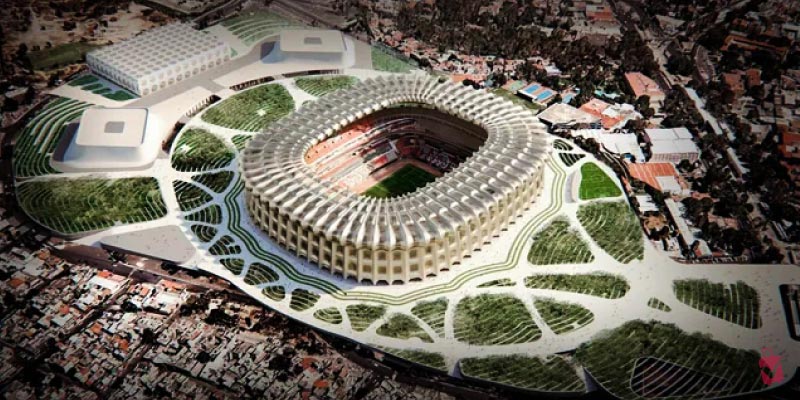
Five million people live in metro Guadalajara making this Mexico’s second-largest city. My younger brother expected sprawling chaos like Mexico City, but the historic center actually fits in a comfortable 2km walk. Normal Uber rides cost 70-90 pesos from Centro to the stadium. But during match days the same ride surges to 150-200 pesos.
If I were to provide one tip about transportation during Guadalajara World Cup 2026, it would be, leaving 90 minutes early and paying normal rates. June weather surprised me more than anything else. Mornings stay comfortable for walking around 70°F, then afternoon storms roll through lasting maybe an hour before clearing completely.
Evenings cool fast at this elevation dropping into the 50s. My partner packed only shorts and regretted it by the second night. Pack a light jacket because matches scheduled at 8pm and 10pm get genuinely cool. Plaza Liberación downtown is expected to transform into the FIFA Fan Festival with free giant screens showing all 104 tournament matches.
This becomes your gathering spot between the four Guadalajara matches when you need entertainment that doesn’t cost anything.
5 Best Free Things to Do in Guadalajara for World Cup Visitors
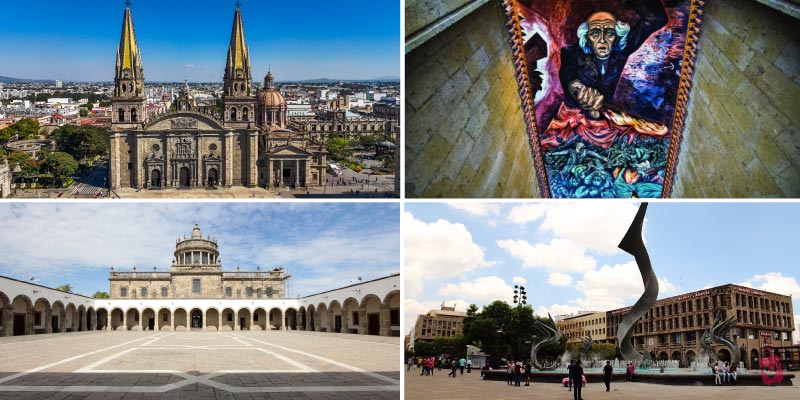
My strategy is simple. Hit these five spots where timing beats spending every single time, and you’ll save enough for an extra night’s hotel or better seats at your next match.
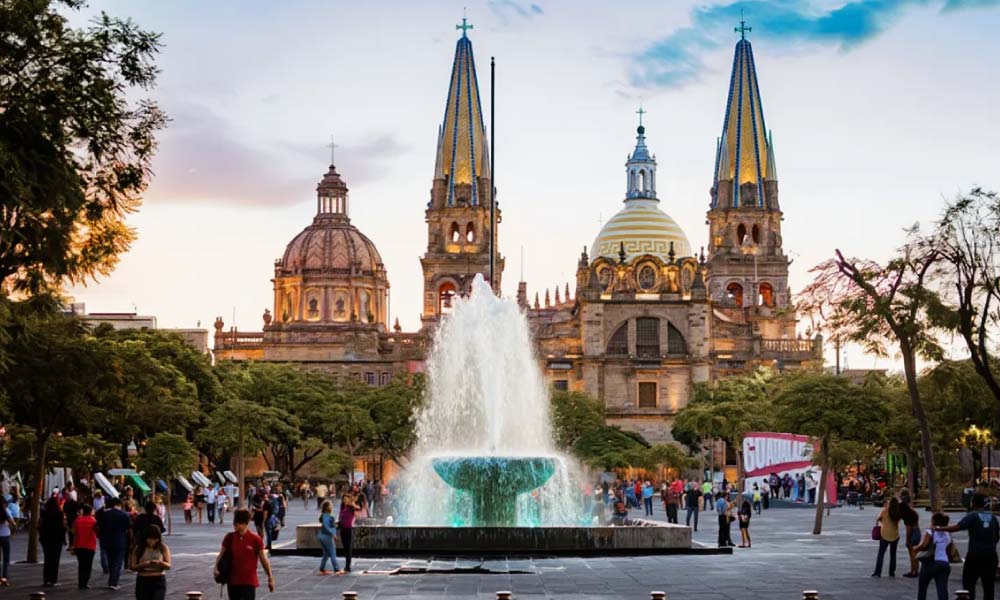
1. Guadalajara Cathedral
I made this mistake on my first visit. Saturday 11am brought tourists creating a 35-minute photo queue that snaked around the plaza. Sunday after mass got worse with everyone wanting the same shot and the same crowded background ruining every composition. I was left frustrated after twenty minutes of waiting.
But weekday 7am tells a completely different story with zero crowds and zero waiting for photos. So, if you want the experience most tourists miss for things to do in Guadalajara, arrive early morning before 8:30am or late evening after 6pm when tour groups have cleared out.
2. Orozco Murals at Palacio de Gobierno
José Clemente Orozco painted Miguel Hidalgo holding a torch on the main staircase wall. The composition forces you to look up, watching flames swirl and masses battle across the ceiling. Tuesday 9am brought maybe twenty visitors across 45 minutes while a government employee guided me through symbolism.
Something that surprised me was, the guide wouldn’t accept tips because policy won’t let them take money. The whole experience costs nothing and delivers more historical depth than paid museums I’ve visited elsewhere.
The building offers free admission, free tours if employees are available, and free photography without restrictions. It’s open Monday-Friday 9am-5pm and Saturday 9am-1pm but closed Sunday. Weekday mornings between 9-11am stay the quietest.
3. Hospicio Cabañas UNESCO Site
More Orozco murals fill this converted hospital including the dome painting “Man of Fire”. Bronze sculptures outside create perfect frames against colonial architecture if you shoot early before harsh midday sun washes everything out.
My sister discovered something smart. Tuesdays run free admission for everyone. But you have to get there before 11am because free days attract crowds by noon. Other days cost 110 pesos for foreigners and 85 pesos for Mexican nationals. The museum opens Tuesday-Sunday 10am-5pm but stays closed Monday.
4. Plaza Tapatía to Plaza Liberación Walk
These connected pedestrian plazas stretch from Cathedral to Hospicio Cabañas creating one continuous walking experience. During World Cup 2026, Plaza Liberación is expected to be a FIFA Fan Festival location with giant screens broadcasting every match free to everyone.
Early morning 6-8am shows plazas before vendors set up their stalls and crowds arrive. Late evening after 8pm brings local families. This delivers exactly what tourists want from places to visit in Guadalajara without spending a single peso.
5. Parque Agua Azul
This park sits about 15 minutes south from Centro. A 70 peso Uber gets you there easily. Free admission includes walking paths, orchid houses, and green spaces where families spread out Sunday afternoons claiming their favorite picnic spots.
The butterfly house costs an extra 20 pesos. Opens 6am-6pm daily except Monday. Budget 60-90 minutes for one of the most relaxing Guadalajara Mexico tourism experiences that locals actually use daily. But don’t expect major attractions here, just peaceful green space perfect for recovering between intense match days.
Must-Visit Guadalajara Attractions Worth Paying For
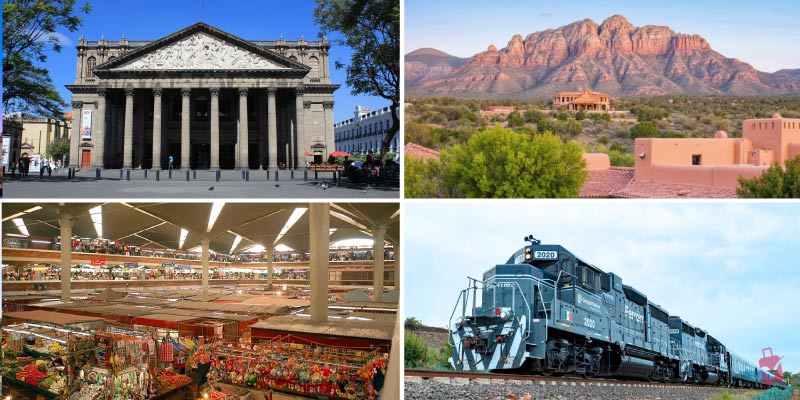
Between matches, you have 2-3 empty days. Most tourists panic-Google “what to do” then end up overpaying for mediocre experiences. From my own experience, these four justify their costs completely and deliver memories you’ll actually reference later.
1. Teatro Degollado and the Breakfast Strategy
Sunday 10am Ballet Folklórico costs 250-450 pesos for 90 minutes of regional dances from Jalisco. Dancers wear elaborate costumes while performing traditional steps to live mariachi music. The theater performance showcases where these traditions actually started, not performances created specifically for tourist cameras.
But here’s my strategy that saves money while delivering authentic experience. Start at Mercado San Juan de Dios at 7:30am instead. The walk takes thirty minutes from most hotels, or a 50-peso Uber gets you there faster. Find any food counter and order torta ahogada for 60 pesos. Then hit the 10am ballet feeling good about your budget.
This works beautifully for families with kids 8+ who appreciate dance, couples wanting cultural depth, and first-timers seeking traditional experiences. Skip if 90 minutes of performance arts sounds boring because it will feel twice as long without genuine interest in things to do in Guadalajara rooted in culture rather than checking boxes.
2. Tlaquepaque Arts District
This separate municipality sits about 30 minutes south from Centro. Pedestrian streets lined with ceramic shops and pottery galleries attract heavy tourist traffic year-round. Saturday 3pm felt genuinely overwhelming when I visited. Thursday 11am brought maybe 20% of that weekend crowd.
Shop owners chatted casually instead of hard-selling, and I could actually browse pottery without feeling pressured. The architecture photographs beautifully regardless of crowds, but the experience quality changes dramatically based on timing. Ceramic souvenirs run 150-800 pesos here for items that cost 60-300 pesos at Mercado San Juan de Dios.
Restaurant meals hit 180-300 pesos versus 65-120 pesos at local fondas elsewhere in the city. You’re paying a premium for the famous district atmosphere. Visit Thursday or Friday morning 10am-1pm if you’re going at all. Avoid weekends completely unless you enjoy crowds.
Eat before arriving because prices feel deliberately inflated. Budget 2-3 hours for walking and shopping if souvenirs matter to you. Skip if budget matters more than atmosphere or if crowds genuinely bother you when planning fun activities to do in Guadalajara during limited time.
3. Tequila Express Train
Saturday mornings this train departs Guadalajara heading to Tequila town 60km northwest. The 850-peso ticket includes round-trip travel, Jose Cuervo distillery tour with tastings, and mariachi entertainment aboard the train itself. Tours show agave harvesting in the fields, fermentation processes inside the distillery, and distillation methods creating different tequila classifications.
My partner loved the educational depth while I found it slightly repetitive after the first hour. DIY bus trips cost only 160 pesos round-trip from the old terminal but require navigating independently after arrival in Tequila town. The 850-peso package works perfectly for first-timers wanting structured education and transportation handled completely without stress.
4. Mercado San Juan de Dios Deep Dive
Three stories and nearly 3,000 vendor stalls selling everything from electronics to enchiladas make this the real Guadalajara market experience tourists either love or hate. Level one handles meat, produce, and prepared food. Level two sells clothing, shoes, and electronics. Level three focuses on artisan crafts at prices running 30-60% cheaper than Tlaquepaque’s tourist pricing.
I mistakenly went to Saturday 1pm once and immediately regretted it. Corridors packed so tight personal space disappeared completely. But Tuesday 10am brought about 40% less density making navigation and browsing actually manageable.
The market opens Monday-Saturday 7am-8pm and Sunday 7am-5pm. Keep bags front always, skip wearing expensive jewelry, and watch your phone constantly because theft does happen here despite improved security. Tuesday-Thursday mornings 8-11am stay most manageable while maintaining that authentic local market atmosphere.
Where Locals Go After World Cup Matches
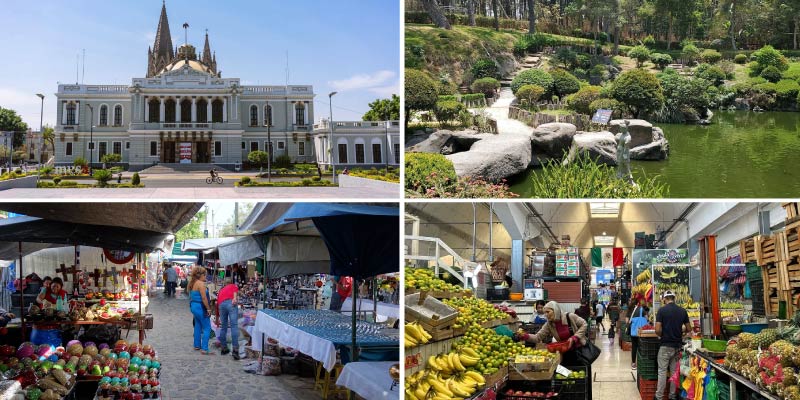
After June 26 when Uruguay plays Spain, 48,000 people scatter from Estadio Akron. Half head to hotel bars near Centro Histórico paying premium prices. The other half follows Tapatíos to spots tourists never find on their own, and that’s where the real post-match energy lives.
1. Chapultepec Avenue Real Nightlife
Hotel bars charge 150-peso cocktails served by English-speaking bartenders playing reggaeton for international crowds. Everyone speaks English or broken Spanish creating an atmosphere that feels completely disconnected from actual Guadalajara.
Chapultepec Avenue concentrates about forty bars between Avenida México and Niños Héroes where university students and young Tapatíos spend their weekends. The 10-block stretch holds everything from craft beer spots to electronic music clubs creating energy that shifts every few blocks.
My friend from Denver discovered Pinta Negra craft beer bar by accident after getting lost post-match. Friday 10pm brought 70-peso beers and crowds passionately discussing the match and arguing about lineups. You’ll find about eighty percent locals, twenty percent expats who discovered this area years ago.
The area works beautifully if Spanish helps even a little because bartenders handle basic English but conversations definitely don’t. Skip if you need full English immersion for comfortable socializing during things to do in Guadalajara at night between matches.
2. Colonia Americana Walking
This neighborhood sits about 20 minutes walking from Cathedral but feels worlds apart from tourist Guadalajara. European immigrants built it generations ago leaving French-style mansions lining Avenida La Paz. Many converted to cafés, boutique hotels, and independent bookstores creating an atmosphere that doesn’t feel remotely like Mexico.
Thursday 2pm walking brought practically zero tourists during my testing visit. Locals jogged through Parque Revolución while couples shared ice cream on mansion stoops. Maybe five obvious visitors across the entire afternoon in a neighborhood that could easily pack with tourists if anyone actually knew about it.
Walking and exploring costs absolutely nothing. Café prices run 45-80 pesos for coffee and pastry. Independent bookstore browsing stays completely free. Zero major attractions exist here, just beautiful architecture and genuine local neighborhood life.
You can skip if you need structured activities with specific sites when exploring Guadalajara attractions during World Cup 2026. But I think it’s essential for understanding the city beyond tourism.
3. Bosque Los Colomos Japanese Garden
This forest park sits on Guadalajara’s northwest edge containing what looks like a legitimate Japanese garden transported directly from Kyoto. Hiking trails wind through trees while a small lake attracts local families who picnic there Sunday afternoons.
The Japanese garden section feels surprisingly authentic. Koi ponds reflect traditional bridges while maintained maple trees create shade uncommon in Mexico’s climate. Park entry costs nothing while the Japanese garden itself adds just 20 pesos. Bike rentals run 50 pesos hourly if you want to explore the extensive trail system properly.
Budget 2-3 hours for hiking and Japanese garden exploration combined. This sits completely off tourist radar but ranks as a popular local recreation spot where Guadalajara families actually spend their weekends. Perfect for escaping historic center crowds during things to do in Guadalajara that show real neighborhood life.
4. Tonalá Thursday Market
Thursday and Sunday market days transform this working-class municipality into a massive artisan market. Ceramics, glass, furniture, and textiles sell at wholesale prices that make Tlaquepaque look expensive. Prices run significantly lower than anywhere else in Guadalajara.
Quality varies considerably though, making careful inspection essential. Best bargains come from buying multiple items from single vendors who offer volume discounts willingly once they see you’re serious. Getting there costs 60-80 pesos by Uber from Centro.
Market entry stays completely free with vendors operating outdoors across multiple blocks. Thursday mornings between 9am-1pm offer the best selection before popular items sell out because locals arrive early claiming highest quality pieces.
5. Mercado Alcalde Local Breakfast
Every blog mentions torta ahogada as Guadalajara’s signature dish. Then they send tourists to Tlaquepaque where restaurants charge premium prices for the sanitized version with English menus and AC. But Mercado Alcalde sells authentic torta ahogada for 50-60 pesos to construction workers and office employees eating breakfast before their 9am shifts start.
Full breakfast plates with eggs, beans, and coffee cost 75-100 pesos. Fresh juice adds 30-40 pesos if you want it. The market location at Calle Alcalde near Centro makes it accessible from most hotels easily. Hours run 6am-4pm daily with peak breakfast traffic between 7-9am when locals flood in.
This ranks as the absolute best place to eat torta ahogada in Guadalajara without any qualification. Tuesday through Thursday mornings provide the best experience before weekend crowds arrive. But Spanish becomes essential because menus and all interactions function entirely in Spanish for Guadalajara food experiences that feel genuinely local instead of performed.
Best Instagram Spots in Guadalajara During World Cup 2026
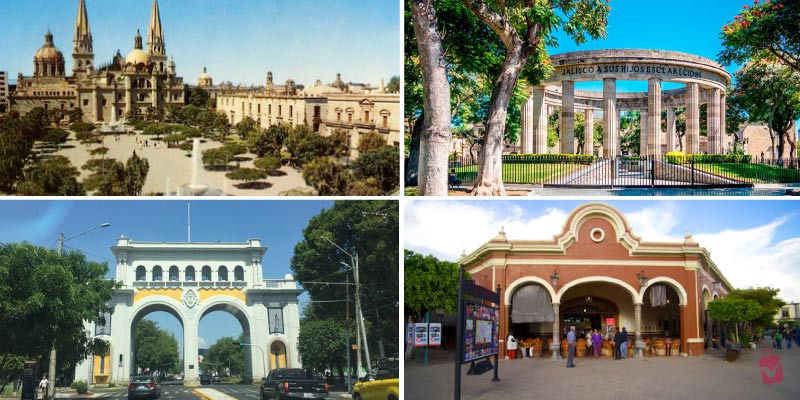
Four World Cup matches guarantee match-day posts. The real question is what to shoot on the days in between? Fans searching for things to do in Guadalajara during World Cup 2026 will find that these locations deliver strong visuals without repeating the same Cathedral shots everyone already has.
1. Plaza Liberación and the GUADALAJARA Letters
The GUADALAJARA letters sculpture in Plaza Liberación appears in almost every travel feed. A simple angle change makes it feel new. Shoot from behind the letters toward the Cathedral for added depth and a stronger sense of place. Early mornings between 6 and 7 am clear out crowds completely, making this an easy stop before match-day plans. After 8 pm, illuminated fountains add contrast and work well for night photography during World Cup evenings.
2. Rotonda de los Jalisciences Ilustres Near Teatro Degollado
Located near Teatro Degollado, this circular monument features seventeen Corinthian columns surrounding historic statues. It often gets skipped by visitors rushing between landmarks. Golden hour between 6 and 7 pm brings warm light across the columns and enhances symmetry. For travelers bringing drone equipment, the aerial view reveals the full circular design and adds variety to World Cup travel content.
3. Arcos de Guadalajara on Avenida Vallarta
Arcos de Guadalajara spans Avenida Vallarta with twin arches that frame the sky cleanly at sunset. Shooting from the street median with centered composition creates balanced, postcard-style results. After dark, the arches illuminate and shift the mood entirely. This spot works well for fans looking for things to do in Guadalajara World Cup nights once matches wrap up.
4. Tlaquepaque Parián Plaza in the Morning
Tlaquepaque stays busy most of the week, yet timing changes everything. Thursday mornings between 8 and 9 am show the Parián plaza before shops open and crowds arrive. Colonial buildings, covered walkways, and cobblestone streets stay unobstructed, making it ideal for relaxed sightseeing during World Cup 2026 without heavy tourist traffic.
5. Colonia Americana Streets on Avenida La Paz
Colonia Americana offers early twentieth-century mansion architecture with strong European influence. Avenida La Paz benefits from morning light between 7 and 8:30 am, creating defined shadows across detailed facades. Light local movement adds life without clutter. Tree-lined streets and classic cars give this area a distinct look for visitors seeking unique things to do in Guadalajara between World Cup matches.
Things to Do in Guadalajara at Night
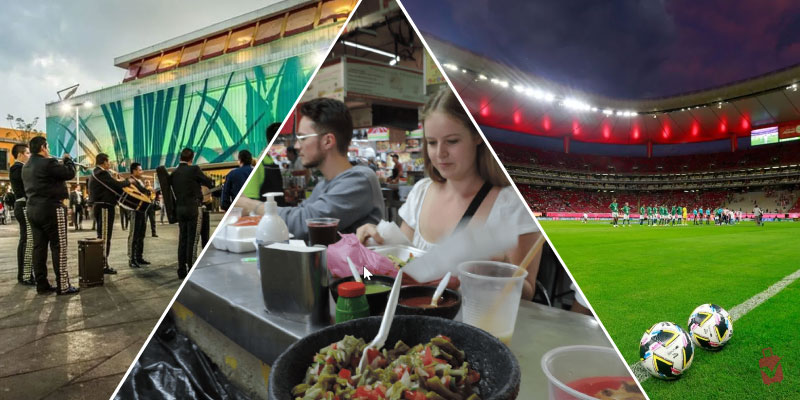
Guadalajara transforms completely after dark. Options range from tourist mariachi plazas to local nightlife strips creating energy throughout the city as fans celebrate or commiserate depending on match results.
1. Plaza de los Mariachis
This plaza near Mercado San Juan de Dios hosts about twenty-plus mariachi bands competing for tips starting around 7pm nightly. Tuesday 8pm testing brought 400-peso payment for a four-song set with quality musicians performing professionally.
The atmosphere feels heavily tourist-focused but musicians deliver genuine skill because this represents their actual livelihood. Negotiate price clearly before bands start playing anything. Typical range runs 300-500 pesos per song depending on band quality and your bargaining ability.
It’s worth experiencing once for the cultural checkbox. But it feels transactional rather than spontaneous compared to stumbling upon mariachi bands playing elsewhere in the city for things to do in Guadalajara at night that feel more organic.
2. Food Tours and Taco Stands
Guadalajara after-dark food tours run by several companies hit five to six spots sampling street food, cantinas, and late-night taquerías. Tours cost 700-850 pesos running Thursday through Saturday evenings starting around 7pm. The alternative involves researching taco stands yourself using Google Maps reviews and saving 750 pesos completely. Tours work if you’re nervous navigating Spanish-only food spots alone at night without guidance.
3. Estadio Akron Beyond World Cup
Chivas de Guadalajara plays regular home matches here outside World Cup dates. Tickets cost 250-600 pesos, depending on seating location. Atmosphere matters more than actual game quality at these matches.
Even if you don’t follow soccer closely or understand tactics, the cultural immersion of being surrounded by devoted fans makes it worthwhile. Skip if you’re not interested in sports at all because 90 minutes feels genuinely long without appreciating the tribal fan culture on display.
Day Trips from Guadalajara Worth Your Time
1. Tequila Town Independent Visit
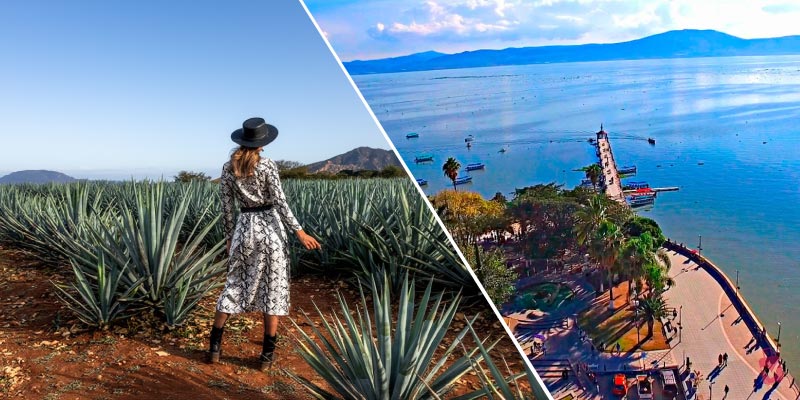
Public buses from Guadalajara’s old terminal cost only 80 pesos each way. The journey takes approximately 90 minutes through agave fields that create stunning landscape photography. Early morning departures catch mist hanging over the valley creating ethereal atmosphere you won’t forget.
The town itself centers around distillery tourism. My advice from personal experience would be, visiting Tuesday through Thursday for lighter crowds. Budget a full day for this trip even though Tequila town stays compact because distillery tours run 2-3 hours and traveling consumes 3 hours round-trip.
2. Chapala Lake
Towns like Chapala and Ajijic attract American and Canadian expat retirees creating a different demographic than purely Mexican destinations. Sunday visits show pleasant lakeside atmosphere but nothing particularly remarkable beyond standard “nice lake town” experiences available elsewhere honestly.
Ajijic offers colorful streets worth photographing and lakeside restaurants serving fresh fish caught locally. Public buses from Guadalajara cost approximately 50 pesos taking 60-90 minutes depending on traffic. Skip this completely if you’re only visiting Guadalajara 3-4 days because the city itself offers significantly more cultural depth for what to do in Guadalajara during limited time.
Guadalajara Tourist vs Local Costs
| Category | Tourist Version | Local Alternative | Your Savings |
|---|---|---|---|
| Torta Ahogada Meal | 180 pesos (Tlaquepaque) | 60 pesos (Mercado Alcalde) | 120 pesos (67%) |
| Evening Drinks (4) | 600 pesos (hotel bar) | 280 pesos (Chapultepec Ave) | 320 pesos (53%) |
| Ceramics Shopping | 400 pesos (Tlaquepaque) | 180 pesos (Tonalá Market) | 220 pesos (55%) |
| Tequila Day Trip | 850 pesos (Express train) | 160 pesos (DIY bus) | 690 pesos (81%) |
| Daily Total | $180 tourist track | $95 local track | $85/day (47%) |
Is Guadalajara Worth Visiting for the World Cup 2026?
Guadalajara delivers genuine value for travelers seeking authentic Mexican city experience. Just avoid Mexico City’s overwhelming scale and Oaxaca’s inflated tourist pricing that’s gotten noticeably worse recently.
The city works best for visitors interested in tequila culture origins, mariachi music birthplace, and colonial architecture existing beyond resort destinations.
Skip if:
- Beach relaxation is your main goal
- You only have 7 to 10 days in Mexico
- Visiting Mayan ruins tops your travel list
Visit if You:
- Prefer budget travelling because its almost 40% cheaper than Mexico City
- Prefer mid-sized cities over megacities
- Want a local Mexican experience like mariachi and tequila culture
- Enjoy food-focused travel
- Plan to attend World Cup 2026 matches with manageable crowds
Most visitors are expected to book five days for World Cup 2026. They will watch their matches then realize they barely scratched what makes Guadalajara function as an actual city versus tourist destination. Smart travelers plan differently. Once they understand the difference between performing tourism and actually experiencing a place, they start planning return visits almost immediately.
If it is on your list for a future trip, book your accommodation in Guadalajara right now, especially before demand pushes prices up to three times their usual rates.
Final Word
Most travelers will book their flights, secure their match tickets, and assume the hard part’s done. Then they’ll arrive in Guadalajara following the same crowded path everyone else takes, paying triple for experiences locals wouldn’t touch, wondering why this city doesn’t live up to its reputation. But not you because you know better now!
Most visitors will choose the expensive one without realizing there’s an alternative. But you’re not most visitors anymore. You’ve got specific addresses, tested timing strategies, and honest pricing that separates authentic experiences from performances created for cameras.
Your World Cup 2026 adventure deserves more than following crowds and that’s the difference this guide makes. Not just knowing what to do, but knowing when, where, and exactly how much you should actually pay. Start your planning right now to make the trip unforgettable!
FAQs
Take a taxi or Uber directly for 250-350 pesos (45 minutes). Alternatively, take the Línea 3 metro to downtown for 10 pesos, then Uber to the stadium for 70-90 pesos, saving about 200 pesos total.
Yes, Guadalajara is generally safe for tourists, especially in Centro Histórico, Zapopan, and Colonia Americana. Avoid wearing expensive jewelry at markets, keep bags front-facing, and use registered taxis or Uber at night rather than hailing street cabs.
Basic Spanish helps significantly at local markets and neighborhood spots like Mercado Alcalde. Tourist areas, hotels, and Uber drivers handle basic English. Download Google Translate offline and learn essential phrases like ordering food and asking directions for smoother experiences.
Don’t drink tap water in Guadalajara. Buy bottled water widely available at OXXO convenience stores for 12-15 pesos per liter. Most hotels and restaurants use purified water for ice and cooking, but confirm before consuming beverages with ice.
Carry 800-1,200 pesos daily for local experiences. Markets, street food, and small vendors prefer cash while hotels, restaurants, and Ubers accept cards. ATMs charge 50-80 peso fees per withdrawal, so withdraw larger amounts less frequently to minimize costs.
More Related Blogs From Travel Recommendations

Which Festivals and Events in Dallas Are the Most Popular?

Festivals and Events in Boston That Actually Fit Your Budget

Things to Do in Dallas: Your Complete World Cup 2026 Guide!

Margaret C. Jones
Margaret C. Jones, a passionate explorer of North America, captivates readers with her vivid tales on Travelarii’s blog. With a keen eye for hidden gems and local culture, Margaret offers expert advice and unique insights to enhance your travel experience. Her stories bring the diverse landscapes and vibrant cities of North America to life, inspiring readers to embark on their own adventures.